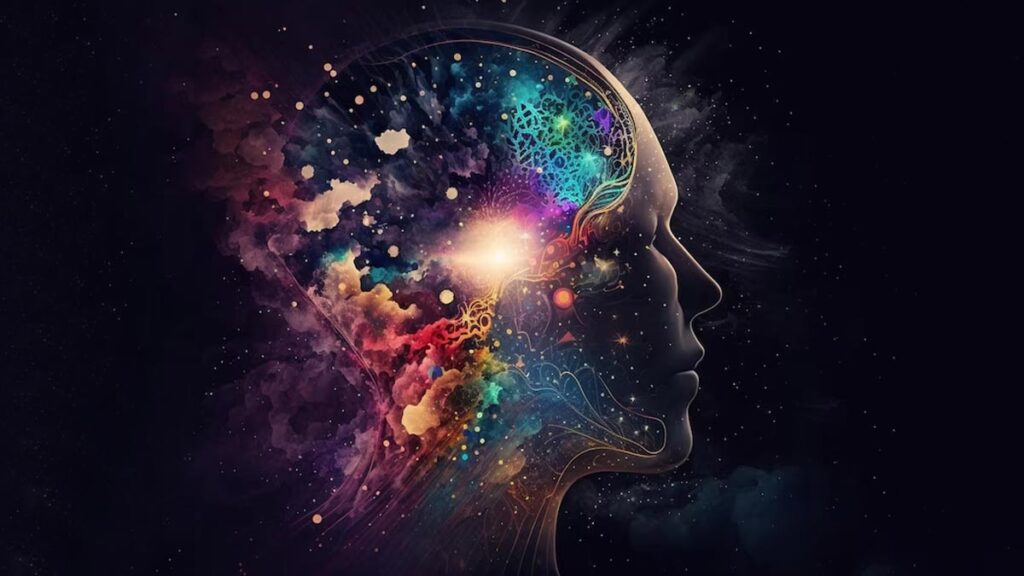
is hypnosis real ? Myths, Science, and the Truth Explained
Hypnosis is often surrounded by mystery, misconceptions, and exaggerated portrayals in movies and stage shows. This leads many people to ask a simple but important question: is hypnosis real?
The short answer is yes — hypnosis is a real and well-documented psychological state that has been studied extensively by scientists, psychologists, and medical professionals.
This article explains what hypnosis really is, what science says about it, and why it is widely used in therapeutic settings today.
What our clients say
What Is Hypnosis, Really?
Hypnosis is a natural state of focused attention and deep relaxation. In this state, the mind becomes less distracted by external stimuli and more open to inner awareness.
It is not sleep, unconsciousness, or mind control. Instead, it is similar to experiences most people already know, such as:
Becoming absorbed in a book or movie
Daydreaming
Driving on autopilot while lost in thought
In hypnosis, awareness is simply directed inward.
.
Why Do People Doubt Hypnosis?
Many doubts about hypnosis myth come from misunderstandings, including:
Stage hypnosis shows that exaggerate effects
Movies that portray hypnosis as mind control
Fear of losing awareness or free will
These portrayals are designed for entertainment, not accuracy. Clinical and therapeutic hypnosis works very differently.
What Does science of hypnosis Say About Hypnosis?
Modern neuroscience confirms that hypnosis is real and measurable.
Brain imaging studies show that during hypnosis:
Activity decreases in areas linked to self-judgment and overthinking
Focused attention increases
The brain responds differently to perception, memory, and pain
Organizations such as the American Psychological Association (APA) and National Institutes of Health (NIH) recognize hypnosis as a legitimate psychological phenomenon.This shift in perception is not only essential for therapeutic change, but also explains how manifestation works by aligning subconscious attention, emotional response, and belief patterns.
What Happens in the Brain During Hypnosis?
During hypnosis, the brain shifts into slower brain wave states — primarily alpha and theta waves. These states are associated with:
Relaxation
Learning
Emotional processing
Creativity
In this state, the subconscious mind becomes more receptive to positive suggestions, making change easier and more lasting.
Is Hypnosis Just Imagination?
While imagination plays a role, hypnosis is more than “just imagining.”
Under hypnosis:
The brain processes imagined experiences as meaningful
Emotional responses become stronger
Learning happens at a deeper level
This is why hypnosis can feel vivid and emotionally real — the brain responds as if the experience matters.
Can Hypnosis Make You Lose Control?
No. This is one of the biggest myths.
During hypnosis:
You remain aware
You stay in control
You cannot be forced to do anything against your values
If a suggestion does not feel right, the mind naturally rejects it.
Is Hypnosis the Same as Sleep?
No. Although hypnosis feels deeply relaxing, the brain remains alert and responsive. In fact, many people report feeling more mentally clear after hypnosis, not sleepy.
Hypnosis is best described as focused awareness, not unconsciousness.
Why Hypnosis Is Used in Therapy
Because hypnosis works with the subconscious mind, it is commonly used in hypnotherapy to support:
Anxiety and stress reduction
Habit and behavior change
Emotional healing
Confidence and self-esteem
Relaxation and well-being
Hypnotherapy applies hypnosis in a safe, structured, and ethical way guided by a trained professional.
Is Hypnosis Safe?
Yes. Hypnosis is a natural mental state that people enter every day. When practiced responsibly, it is considered safe and non-invasive.
Hypnosis does not damage the brain, override free will, or create false memories when used correctly.
.
Final Answer:is hypnosis real ?
Yes — hypnosis is real.
It is a scientifically recognized state of focused attention that affects perception, emotion, and behavior. While it has been misrepresented in popular culture, real hypnosis is grounded in psychology and neuroscience.
Understanding the truth about hypnosis helps remove fear and opens the door to informed, conscious exploration of its benefits.
Recommended Reading
What Can Hypnotherapy Help With?